It happens in an instant.
Your child puts down their pencil, pushes the paper away, and says it: “I can’t draw. I’m bad at art.”
Here’s the thing most parents don’t know: this moment is not about talent. It’s about a skill gap. And that changes everything about how you respond.
The Most Important Thing to Understand First
Drawing is a skill. Like reading. Like swimming. Like riding a bike.
No one tells a child who can’t read yet that they’re “just not a reader.” We give them the right tools, the right instruction, and the right support for their age, and they learn. Art works exactly the same way.
When a child says “I can’t draw,” they are almost always saying: “I haven’t been taught the skills I need yet.” Research and years of teaching experience back this up, the biggest barrier to artistic ability isn’t talent, it’s never being given the right foundation. Every child can learn to draw and paint.
Why Children Say “I Can’t Draw” (The Real Reason)
1. They’re comparing their work to someone else’s. Comparison is the fastest route to “I’m bad at this.”
2. They’ve hit the realism crisis. Around ages 7–10, children start seeing more accurately but their hand skills haven’t caught up yet. This is entirely normal, it just needs the right response.
3. Nobody has taught them the skills they need. If a child hasn’t been taught how to break down objects into shapes, or how to observe what they’re actually looking at, of course it feels impossible.
What NOT to Say
“But it’s beautiful!”, Dismisses how they’re feeling. If they think it’s bad and you say it’s beautiful, they learn you’re not being honest.
“You’re so talented!”, Creates a trap. If their ability is “talent” (fixed), then when the next drawing doesn’t go well, it feels like the talent has disappeared.
“Why don’t you try drawing it like this instead?”, Jumping in with unsolicited correction tells them their instincts are wrong. See our full guide on how to talk to your child about their art.
What to Say Instead: 7 Phrases That Actually Help
1. “I hear you, that’s a frustrating feeling. What part isn’t looking the way you wanted it to?”, Moves the conversation toward the specific problem rather than the global “I’m bad” feeling.
2. “Every artist, even really experienced ones, makes things that don’t turn out how they pictured. That’s just part of making art.”, Normalises the feeling without dismissing it.
3. “Drawing is a skill, like reading. Nobody could read the day they started learning. You’re still learning.”, The most powerful reframe. Shifts “I don’t have talent” to “I’m at an earlier point in my learning.”
4. “What would you like to change about it? Let’s look at it together.”, Invites them to take ownership.
5. “I noticed you kept trying even when it was hard. That’s what real artists do.”, Praises the process, not the product. Builds resilience rather than anxiety.
6. “Would it help to look at a picture of [the thing they’re drawing] while you work?”, Children drawing from memory is genuinely harder than drawing from observation. This one suggestion can completely change the result.
7. “You don’t have to like it. You’re allowed to not like your own work. Even I don’t love everything I make.”, Gives them permission to have an honest opinion without it meaning they’ve failed.
The Skill-Gap Fix: What Children Actually Need to Learn by Age
If your child is regularly frustrated with their art, the kindest thing you can do is make sure they’re getting age-appropriate skills, not just “free drawing time.”
Ages 0–3: Exploration First
Art at this age is about sensory experience, big safe tools, washable paints, crayons, textures. The goal is enjoyment and fine motor development. Celebrate effort, display what they make, and let them lead.
Ages 4–5: Shapes Are Everything
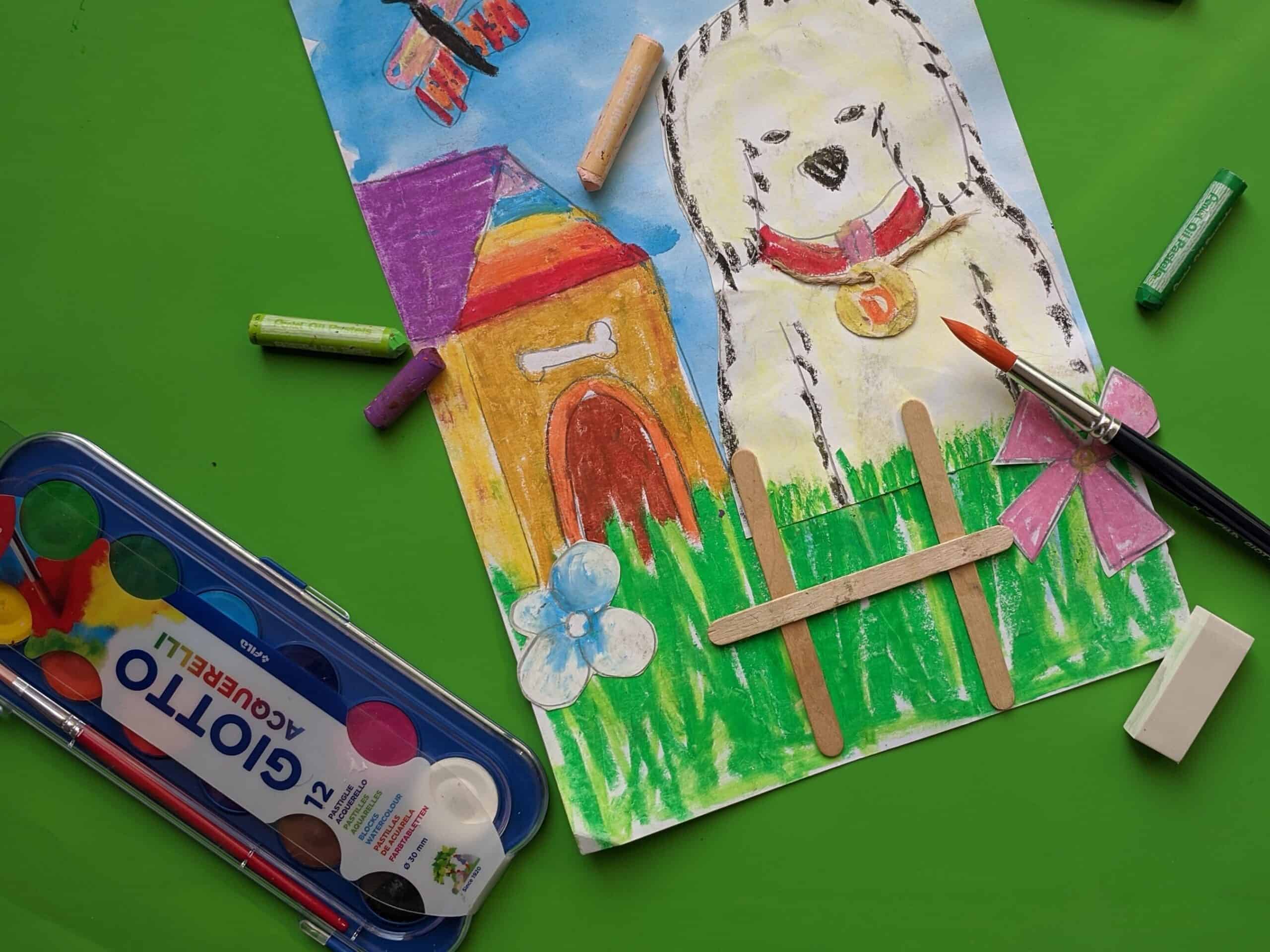
Children at this age are ready to learn that everything can be drawn using basic shapes, circles, squares, triangles. A house is a square with a triangle. A tree is a circle on a rectangle. If your 4-year-old is frustrated, it’s usually because they’re trying to draw the whole object at once rather than building it shape by shape. Focus on their process, not the finished piece.
Ages 6–9: The Skills That Change Everything
This is the most important window. Children at this age are ready to learn:
- How to break objects into shapes and add detail
- How to use a reference image, drawing what they see rather than what they think something looks like
- The basics of colour mixing and blending
- An introduction to values (light and dark) and tones
When children aren’t taught these skills, this is the age they start believing they “can’t draw.” This is exactly why choosing the right art instruction matters so much at this age. Look for lessons that teach skills and process, not just step-by-step copy-along projects.
Ages 10+: Creative Confidence
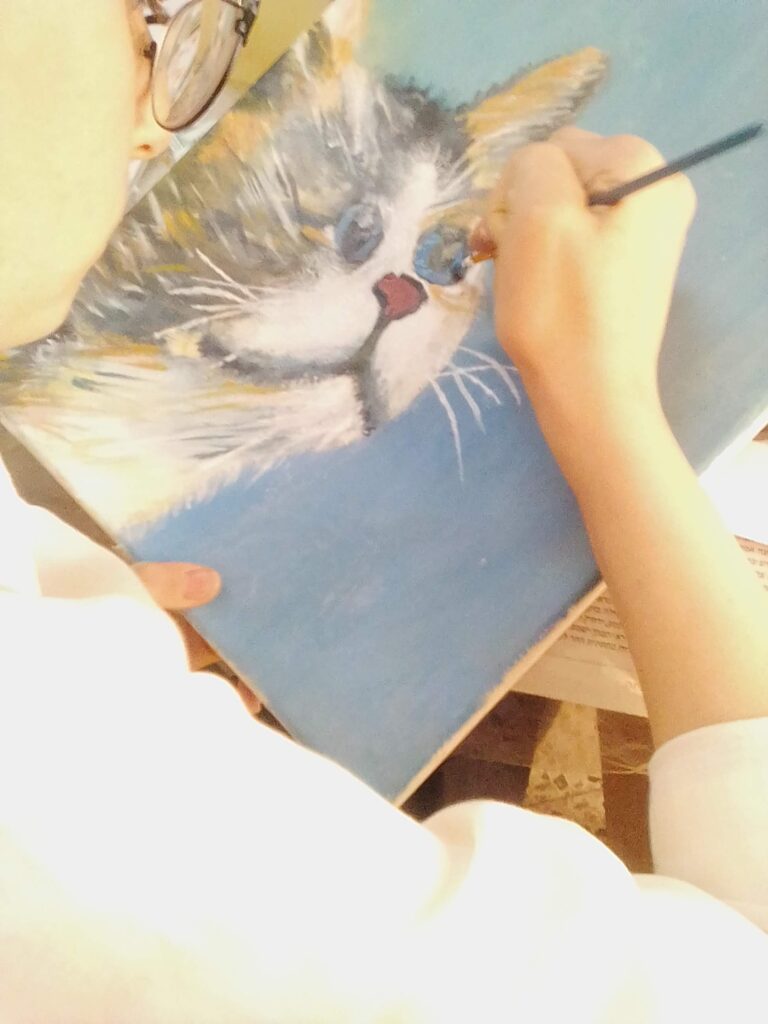
Children with the right foundation can now move into portraits, values, still life, canvas painting, blending techniques, and creating their own compositions. When a 10-year-old has these fundamentals, art stops being a source of frustration and becomes a source of genuine confidence and pride.
The Confidence Connection
A child who believes they can’t draw will stop drawing. And when they stop drawing, they stop developing. And when they don’t develop, they reach their teens convinced the belief was true all along.
Confidence in art isn’t built through praise. It’s built through skills. When a child learns how to break an object into shapes and their drawing suddenly looks more like the thing they were trying to draw, that moment of “I did that” is worth a thousand “it’s beautiful”s.
Every person can learn to draw and paint, including your child. The question isn’t whether they have talent. The question is whether they’ve been given the skills they need for where they are right now.
What You Can Do Right Now
If your child has just said “I can’t draw”: Use one of the 7 phrases above. Acknowledge the feeling. Don’t rush past it.
If it’s a pattern: Look at what they’re being taught. Are they getting real skills, or just completing copy-along projects?
Ready to start now? The Incredible Art Camp is designed for kids and teens to build real foundational art skills in a fun, encouraging environment, exactly the kind of instruction that turns “I can’t” into “I did.”
For ongoing structured skills development, join the waitlist for the kids’ online course, it opens twice a year and fills quickly.
Frequently Asked Questions
Why does my child keep saying they can’t draw?
Almost always it’s a skills gap, not a talent gap. The fix is age-appropriate instruction that builds real foundational skills.
Is it normal for kids to get frustrated with their art?
Yes, especially around ages 7–10. This is the most common age children give up art, and it’s entirely preventable with the right teaching.
Should I tell my child their drawing looks good if I’m not sure?
Avoid empty reassurance. Instead say “I love the colour you chose here” or “I can see you worked really hard on this part”, honest and encouraging.
At what age should children start learning drawing skills?
Shape-based drawing can start at 4–5. Ages 6–9 are the most important window. The earlier they learn drawing is a skill, the more confident they become.
Can every child learn to draw?
Yes. Drawing is a skill like reading or writing. With the right instruction at the right age, every child can learn to draw and paint things they’re proud of.
You might also like:
How to Talk to Your Child About Their Art (11 Phrases That Help)
How to Start Developing Your Artistic Child: A Parent’s Guide
Can I Learn Art If I Have No Talent? The Honest Truth
Nurturing Your Artistic Child