If you are weighing up an art class for your child, this is the question worth asking. Not “will they have fun,” because most classes can manage fun. The real question is what your child walks away with. Will they leave with a single cute project stuck to the fridge, or will they leave with something they can actually do again on their own?
That difference is everything, and it is the difference I have built my classes around. After years of teaching kids of all ages and abilities, here is what I believe a child should genuinely learn in art class, why it matters far beyond art, and what a class needs to do to deliver it.

The Real Answer: Skills They Can Take Home and Use Again
The most important thing a child should learn in art class is a skill they own. Not a project they copied for an hour and then forgot, but a real, repeatable skill they can take home and use again by themselves.
This is where so many classes fall short, and it is the thing I care about most. A child can spend a whole term making one nice-looking piece by following along step by step, then go home with nothing in their hands. No skill. No idea how they got there. Nothing they can recreate on a rainy Sunday afternoon. That is not learning. That is decorating.
When I teach, my measure of success is simple. Could this child sit down at their own kitchen table next week and do this again on their own? If the answer is yes, they have learned something. If the answer is no, the class has failed them, no matter how good the finished picture looked.
Why Skills and Creativity Are Not Enemies
A lot of parents come to me worried about the same thing. They have heard that structured art classes stifle creativity, that teaching technique somehow squeezes the imagination out of a child. I understand the fear, but in my experience the opposite is true.
When you teach a child the foundational skills of art, you are not boxing them in. You are handing them the tools to express whatever is already in their head. A child who knows how to mix the exact color they are picturing, or who can draw what they actually see, is a child who is free. The skill is what unlocks the creativity, not what kills it.
And there is something bigger underneath all of this. When a child learns that they can be taught a skill the proper way, practise it, and get good at it, they learn something about themselves that reaches far past art. They learn that they are capable. They learn that they can pick up hard things and improve at them. They start to believe they can achieve anything they put their mind to. That belief is the real gift, and art just happens to be the doorway to it.
What Your Child Will Actually Learn, Age by Age
Foundational skills are not one-size-fits-all. What a five-year-old needs is very different from what a ten-year-old is ready for. Here is roughly how the building blocks stack up as a child grows, the way I teach them.
The Littlies (around age 5)
At this stage we keep it joyful and hands-on, but there is still real learning underneath. Young children learn to:
- Combine simple shapes to create recognisable images, which is the very foundation of drawing.
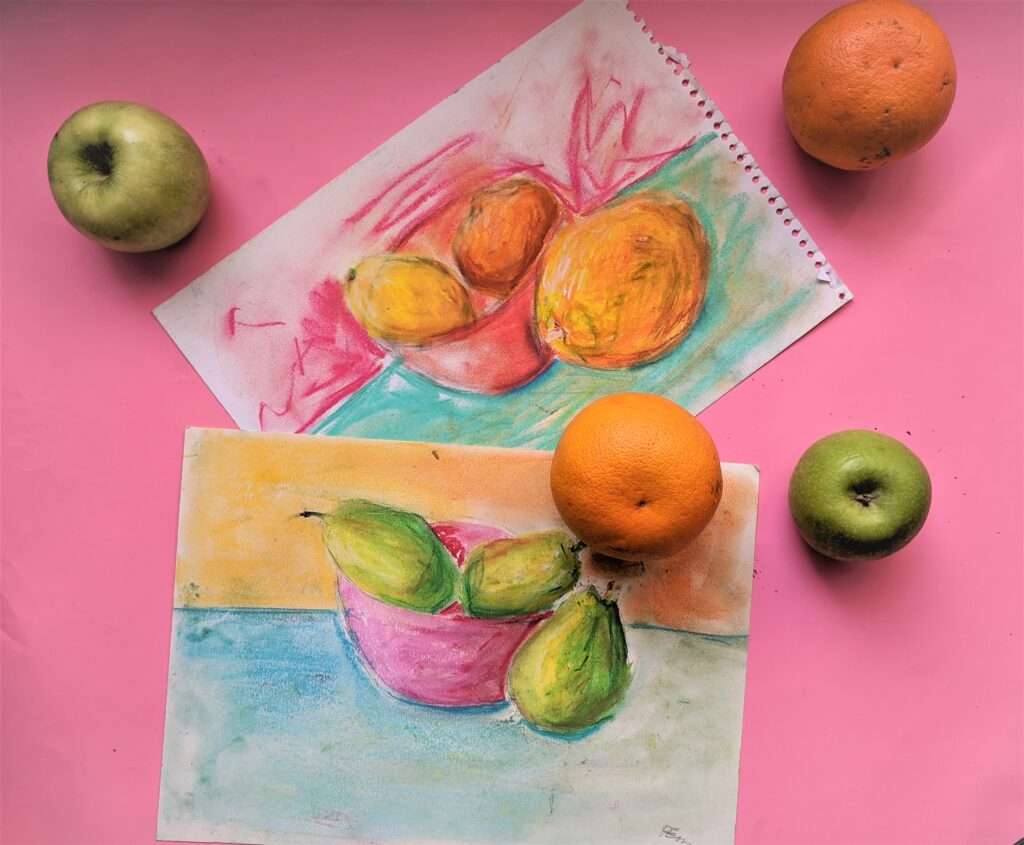
- Explore a range of mediums, including paint, watercolor, pastel, and mixed media, so they get comfortable with how each one behaves.
- Begin the most important habit of all, drawing what they see rather than what they think they see.
As they get older, the littlies move on to combining harder shapes together to build more complex objects, while continuing to get a feel for different materials.
Ages 6 to 9
This is where the foundational drawing and painting skills really take root. Children at this age focus on:
- Drawing what they see, not what they think, by observing the world around them and learning to turn it into art.
- Using reference images to train their brain to draw accurately.
- Understanding value, composition, and proportion.
- Color mixing, and working across paint, watercolor, and pastels.
Each project leans on the one before it, so the skills compound rather than scatter.
Ages 10 and Up
Older children are ready to take far more ownership of the process. At this stage they work on:
- Drawing accurately on their own, using reference images or still life, with focused drawing exercises built into fun projects.
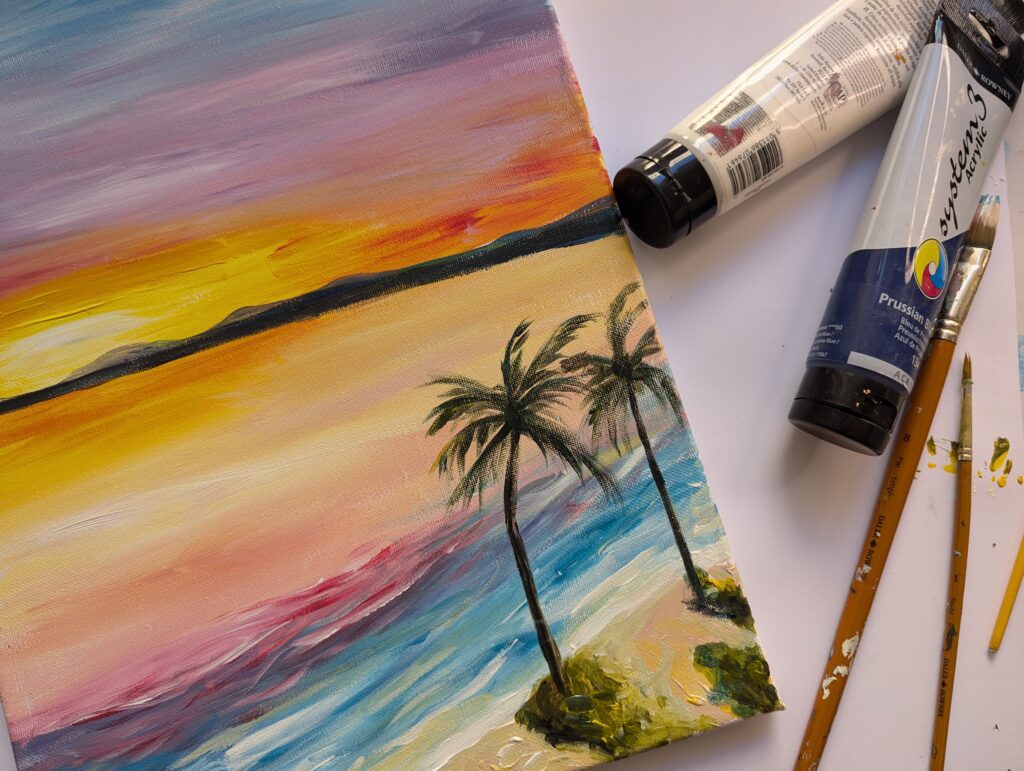
- Color mixing and color theory, often with acrylic paints.
- The full process of canvas painting.
- Using and blending different mediums, including acrylics, soft pastels, oil pastels, and watercolor, and handling their art supplies correctly.
By now they are creating artwork that follows a real process and is uniquely their own.
If you want to go deeper on how these skills develop over time, I have written more about that in essential art skills development for kids.
What a Good Class Looks Like From the Inside
It is one thing to list skills. It is another to picture what your child would actually be doing in the room. Here is how a class tends to flow.
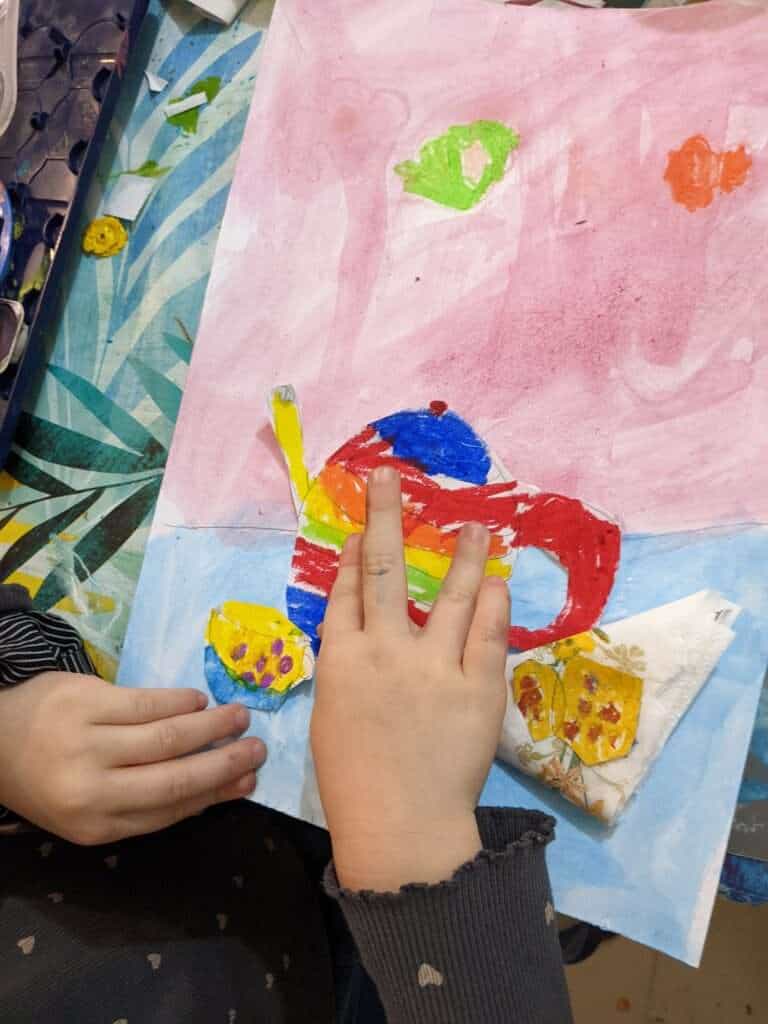
In the first few weeks or projects, we spend time getting used to how an art lesson works. This part is more step by step on purpose, because I need to know each child can use their brush and palette, mix their paints, wash their brushes, hold their pencil, and follow a project from start to finish. We begin with simple shapes and color mixing, and start exploring different mediums like paint, watercolor, and oil pastels.
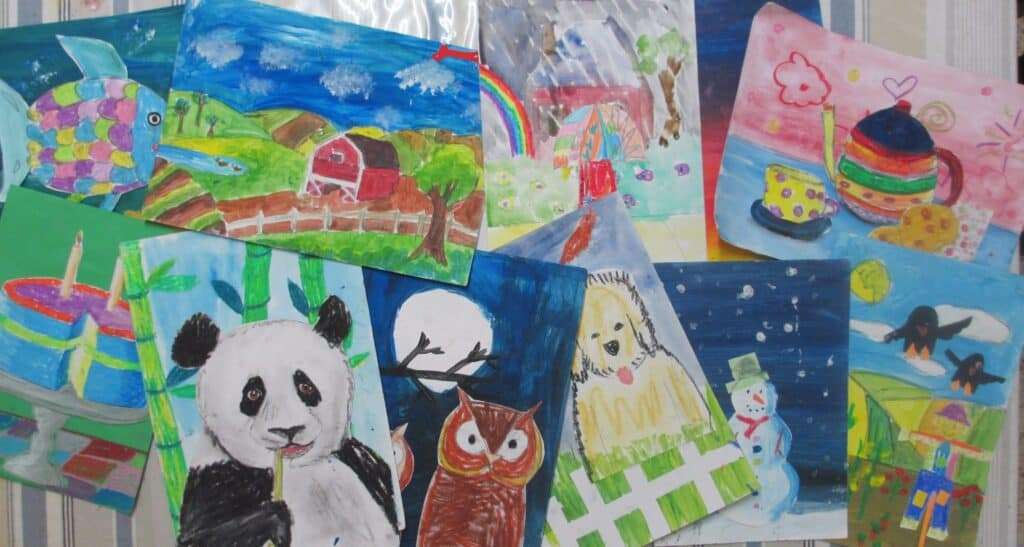
From there, I take a gradual step back. For the six to nine group, I will demonstrate how I would compose a piece using a reference image and how to use the medium effectively, and then I hand it over and let the child create their own. Each project focuses on one skill that draws on the skills from the project before it.
In the older classes, the work shifts toward training their brain to draw accurately, color mixing and theory with acrylics, and drawing from still life, all delivered through projects that stay fun rather than dry.
The thread running through every lesson is this balance. Each class teaches a specific skill and builds on the last, but the child always has the creative freedom to make the work theirs through placement, their own additions, and their choice of colors. They are learning and creating in the same breath. That is the balance I think a good art class has to strike.
The Two Traps to Watch Out For
When you are choosing a class, there are two opposite mistakes to look out for. A genuinely good class avoids both.
Trap One: Too Rigid
These are the classes that rely on generic, step-by-step projects where every child’s piece comes out looking identical. They assume kids cannot really learn skills, so they spoon-feed a result instead. It looks productive, but the child takes home a finished picture and not much else.
Trap Two: Too Free
The opposite mistake is just as costly. Some classes are so loose that the children simply draw whatever they want every week with no teaching at all. I learned this one the hard way as a child. I once won an art competition, and the prize was free classes at a local after-school art program. I was thrilled to go. Then we drew fairies and goblins. Every single class. My parents pulled me out fast, because they realised that even free classes are a waste of time if your child is not learning anything.
What you want sits between these two extremes. A class that genuinely teaches skills, while still letting the child be creative, compose their own artwork, make their own additions, and choose their own colors. That sweet spot is exactly what I aim for. If you would like help weighing the decision more broadly, I cover it in is art class right for my child.
The Change I See in Kids
So many children walk into my classes convinced they are not good enough. Their lines come out ragged, and they have already decided they are “not talented” or that they “can’t draw.” I never make a fuss about any of that. I just let them get on with the process and enjoy it.
Then, after a few weeks, something shifts. I stop hearing “I can’t do this.” I stop hearing “hers is better than mine.” They realise they can do it, that everyone is making their own unique art, and that this is exactly how it is meant to be. Watching a child who did not believe in themselves arrive at that point is incredible, and it never gets old. The comparison falls away, and what replaces it is ownership.
If your child is the one saying they cannot draw, you may find it helpful to read what to say when your child says “I can’t draw” before their next class.
So, Is Art Class Worth It?
When you are standing there deciding whether art class is worth it, think about what it can actually give your child. A space to express their feelings without needing words. A real reason to feel confident in themselves. A new skill that lifts their self-esteem. And foundational art skills that stay with them for life, because once a child has truly learned them, they are theirs to return to forever.
That is what my art courses are built to do. Not to send your child home with one nice picture, but to send them home with skills, confidence, and the belief that they are capable of far more than they thought.
Any child can learn art. The only real question is whether you are going to give your child the opportunity.
Ready to give your child that opportunity? Join the waitlist for our online art courses, or join our incredible art camp and watch them build real, lasting skills.