When a child proudly presents you with their latest artistic creation, your response matters more than you might think. The way adults talk about children’s artwork can nurture creativity, build confidence, and develop critical thinking skills. Here’s how to have meaningful conversations about your child’s art that go beyond “That’s beautiful!”
As Pablo Picasso famously said, “Every child is an artist. The problem is how to remain an artist once we grow up.” Somewhere between childhood and adolescence, many kids transition from loving art to avoiding it because they believe “I’m not good at art.” Your responses to their creative efforts can help preserve that artistic spirit.
Here’s how to talk to a kid about their artwork in a way that encourages creativity, builds confidence, and keeps the joy of creating alive. Over the years, I’ve seen how the way parents talk to their kids about their artwork can make a world of difference, deeply influencing their confidence and self-esteem.
The 11 Phrases to Save for Your Next Conversation
When your child shows you their art, try one of these instead of “It’s beautiful!” or “Good job!”:
- “Can you tell me about your picture?”
- “What’s happening here?”
- “What made you decide to use these colors?”
- “What’s your favorite part of this artwork?”
- “I notice you used lots of swirling lines in this corner.”
- “I see you spent a lot of time on this.”
- “It looks like you had fun making this!”
- “You really concentrated while working on this.”
- “You kept working on this even when it was challenging.”
- “Is there a story behind this part?”
- “That looks fun — what were you thinking about while drawing it?”
Save this list, screenshot it, or pin it for next time. The rest of this guide explains why each one works — and the 5 phrases to avoid.
Common Responses and Why They Fall Short
When a child shows you their artwork, it’s easy to default to one of these typical responses:
- “It’s beautiful!”
- “I love it!”
- “Good job!”
While well-intentioned, these responses can inadvertently stifle creativity:
“It’s beautiful!” – What if the child doesn’t think it’s beautiful? What if they were expressing difficult emotions? Does art always need to be beautiful to be valuable?
“I love it!” – This may unintentionally teach children to create art to please others rather than express themselves. If they know you love rainbows, they might draw rainbows instead of animals just to make you happy.
“Good job!” – This focuses on the result rather than the process. Art is about exploration and expression, not just producing something “good” by some external standard.
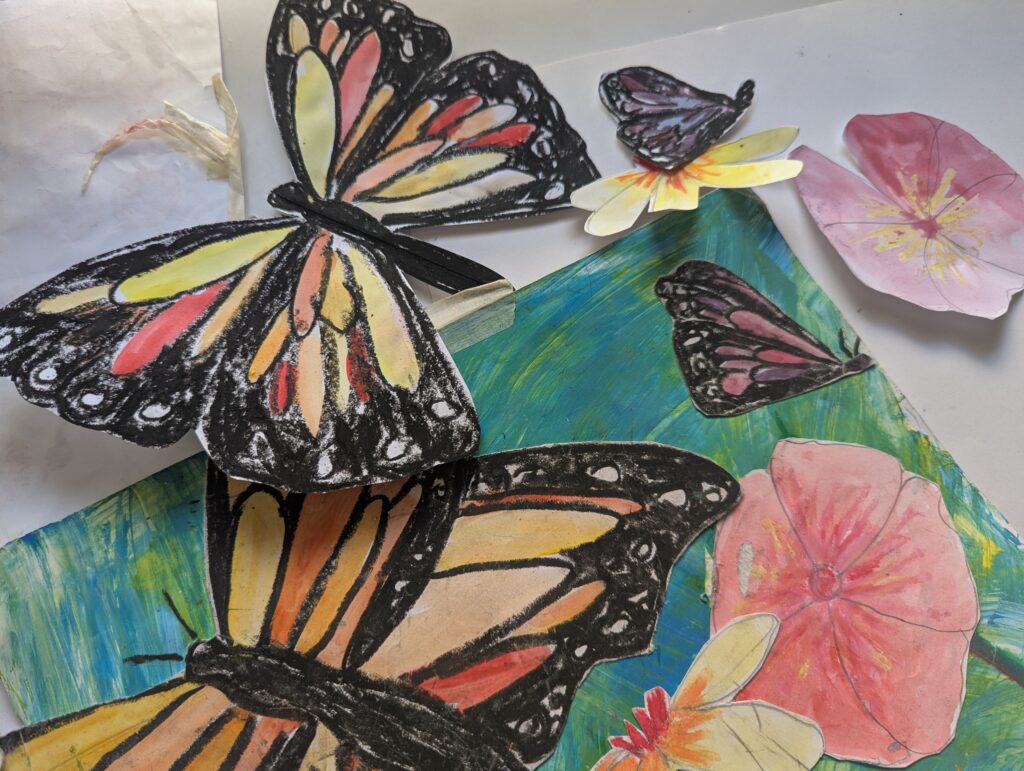
Start With Curiosity, Not Assumptions
Instead of guessing what the drawing is, ask open-ended questions:
- “Can you tell me about your picture?”
- “What’s happening here?”
- “What made you decide to use these colors?”
This shows respect for their creative process and gives them space to express their thoughts, which may surprise you. A blob of blue might not be “just a blob”—it could be a flying whale or a portal to another world.
Ask Open-Ended Questions
Open-ended questions invite children to reflect on their work and articulate their creative process:
- “What inspired you to create this?”
- “What’s your favorite part of this artwork?”
- “How did you decide which colors to use?”
These questions show genuine interest and help children develop their ability to talk about their creative choices.
Focus on the Effort, Not Just the Outcome
Praise effort and process over results. Instead of generic praise like “Good job” or “That’s beautiful,” say things like:
- “I see you spent a lot of time on this.”
- “You really worked hard on all these details.”
- “It looks like you had fun making this!”
This encourages kids to value persistence and experimentation—not just perfection.
Notice Specific Details
Point out specific elements that catch your eye:
- “I notice you used lots of swirling lines in this corner.”
- “The way you blended these colors reminds me of a sunset.”
- “I’m interested in how you made these patterns overlap.”
Specific observations help children recognize that their artistic choices have impact.
Avoid Turning It Into a Judgment
This one I feel is the most important: Even well-meaning praise like “You’re so talented” can unintentionally put pressure on kids to always “perform.” Instead of judging the work, observe what you see:
- “I notice you used a lot of different colors today.”
- “I can see you draw very detailed images”
- “You’ve drawn so many different shapes—what were you thinking about when you did that?”
These comments keep the conversation observational and supportive, rather than evaluative. While teaching, I make observations and comments as kids create their artwork, so they understand that the process matters just as much as the final product. I want them to enjoy creating without feeling pressured to produce something ‘perfect’.
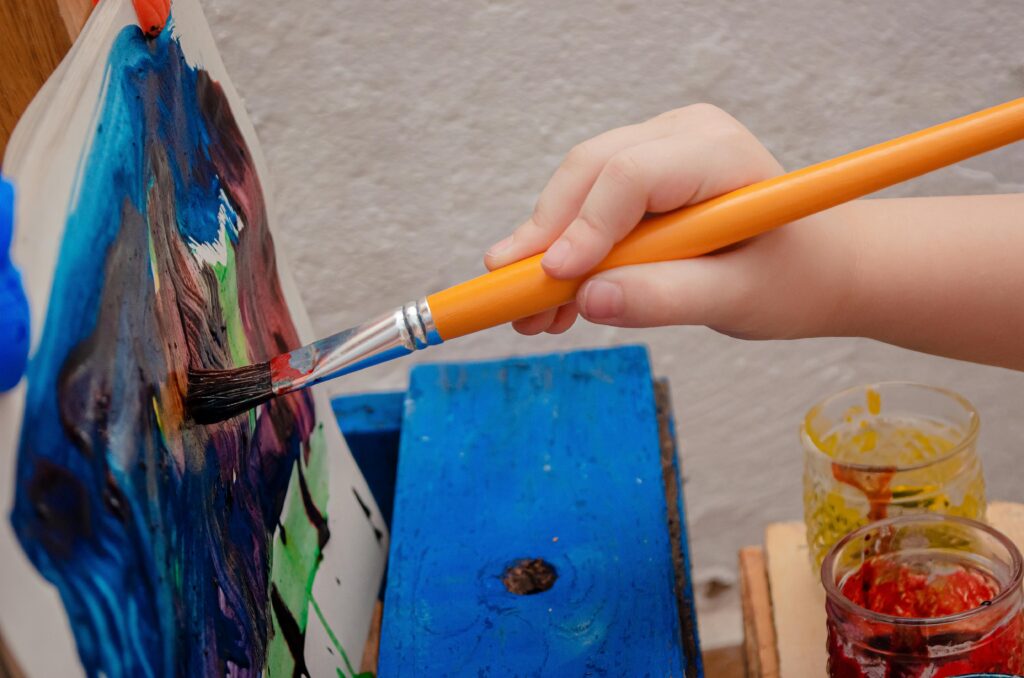
Celebrate Their Voice, Not Your Interpretation
It’s tempting to say “It looks like a tree!” when the child has drawn a spaceship. If you’re unsure what it is, ask:
- “What inspired you to draw this?”
- “Is there a story behind this part?”
Let their words lead the interpretation. You’re helping them build a narrative and reflect on their own ideas.
Discuss the Process, Not Just the Product
Focus on their effort and choices rather than just the final result:
- “You really concentrated while working on this!”
- “I saw how carefully you were mixing those colors.”
- “You kept working on this even when it was challenging.”
This approach values persistence and problem-solving, not just natural talent.
Respond to Frustration Constructively
When a child is unhappy with their artwork:
- Acknowledge their feelings: “You sound disappointed with how it turned out.”
- Encourage problem-solving: “Is there something you’d like to change about it?”
- Highlight growth: “Each time you draw, you’re learning something new and you’re getting more skilled.” “The more you practice, the better you are going to get”
This teaches resilience and that mistakes are part of the creative process.
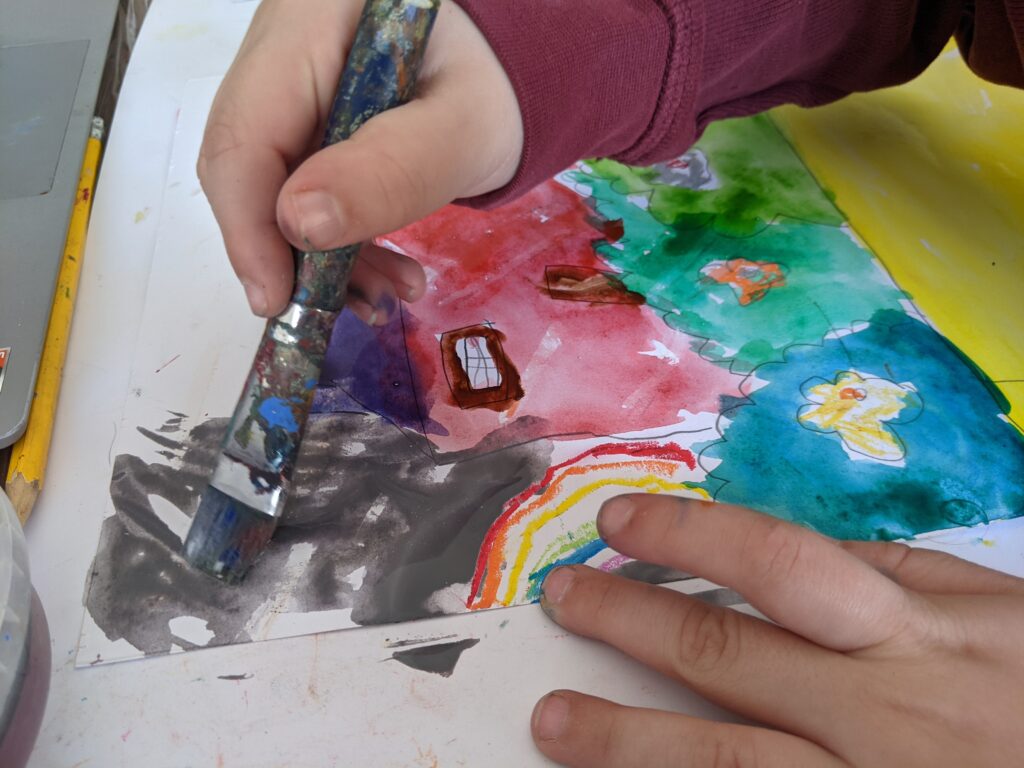
Display Their Work (But Ask First)
Pinning a picture to the fridge or hanging it in a frame can show you value their efforts—but always ask if they’d like you to display it. Respecting their choice teaches them agency and shows that their work belongs to them first.
Creating a dedicated gallery space in your home and rotating displays to showcase new creations demonstrates that you value their artistic expression.
Keep It Light and Enjoyable
Not every scribble has to be a life lesson. Sometimes a simple, “That looks fun—what were you thinking about while drawing it?” is enough. The goal is to be present, interested, and encouraging.
Remember That Art Is Personal
Children’s artwork is often deeply personal and meaningful to them. Your responses should honor their unique perspective and creative voice rather than imposing adult standards or expectations.
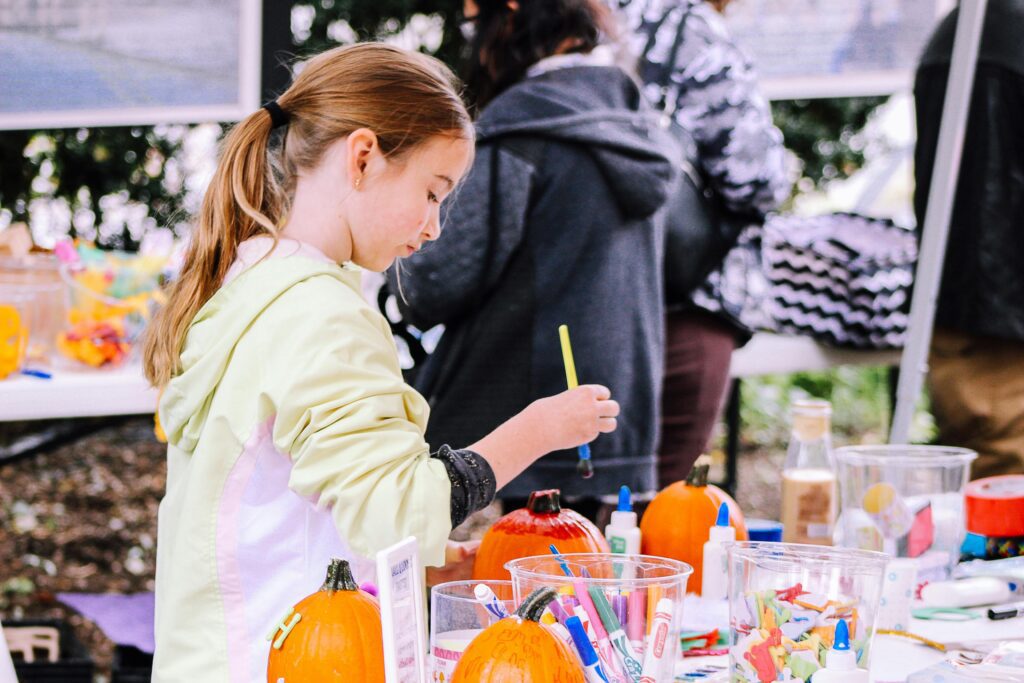
Final Thoughts: Nurturing the Creative Spirit
The goal isn’t to raise the next Picasso. It’s to help your child maintain their innate sense that their creativity has value—simply because it’s an expression of who they are.
When you talk about your child’s art with curiosity, respect, and genuine interest, you’re helping them develop confidence not just in their artistic abilities, but in their unique way of seeing and interpreting the world.
So next time a child hands you a glittery, colorful paper lean in. There’s a whole world waiting to be discovered—through their eyes.
Try our Incredible Art Camp– three art projects geared towards different ages, teaching the methods to draw and paint independently.
And if you’re an adult who wants to start painting yourself — even if you think you have no talent — there’s a real path that doesn’t rely on copying tutorials.
Frequently Asked Questions
What should I say when my child shows me a drawing?
Start with curiosity, not praise. Try “Tell me about your picture” or “What’s happening here?” instead of “It’s beautiful!” Open-ended questions show you’re genuinely interested in their thinking, give them space to share the story behind the work, and teach them their ideas matter more than your approval.
Is it bad to say “good job” to my child’s art?
Yes — when it’s overused. “Good job” focuses on the result and trains kids to seek your approval rather than enjoy the process. It’s not harmful occasionally, but a steady diet of evaluative praise can actually reduce creativity. Replace it with specific observations like “I see you used so many curves here.”
Should I correct my child’s drawings?
Almost never — unless they ask for help. Unsolicited correction tells your child their natural way of seeing is wrong, which is the fastest route to “I’m bad at art.” If they’re frustrated, ask “What would you like to change?” and let them lead. Children’s art doesn’t need adult realism to be valuable. In my in-person art classes, I NEVER draw or paint on a student’s work. I want the student to understand that it’s their work and the end result is not the most important. They will gain more by trying and enjoying the process.
How do I praise my artistic child without making them feel pressure?
Praise the process, not the talent. Saying “You’re so talented!” makes future art feel like a test they could fail. Instead, try “I noticed you kept working even when this part was tricky” or “You spent so much time on the colors here.” Process praise builds resilience; talent praise builds anxiety.
What should I say when my child says “I’m bad at art”?
Acknowledge the feeling first: “It sounds like you’re frustrated with how it turned out.” Then reframe, every artist, even professionals, makes work they don’t love. Remind them art is a skill that grows with practice, not a fixed talent. The same is true for older kids and adults learning how to paint: there is a real step-by-step process for learning to paint that works whether or not you think you have natural talent. Avoid jumping in with “But it’s beautiful!”, that dismisses what they’re feeling.
What if my child only draws the same thing over and over?
This can often mean they need to learn the skills to draw other things. I’ve seen that once you show kids how to draw anything, they become more confident drawing independently and trying out new artwork.
Should I display every piece of my child’s artwork?
Always ask first. Displaying art teaches kids you value their work, but doing it without permission ignores their voice. Set up a rotating gallery space, let them choose what goes up, and store the rest in a flat keepsake folder. This respects their ownership and prevents your home from becoming overwhelming.
At what age should I start taking my child’s art seriously?
From the very first scribble. Toddlers aren’t drawing “nothing” — they’re exploring color, motion, and meaning. Treat every age’s art as legitimate creative expression. The danger isn’t taking young art too seriously; it’s the opposite — dismissing early work teaches kids their creativity isn’t worth attention later.
How do I tell if my child is genuinely gifted in art or just enjoys it?
Genuinely gifted children typically show three signs: persistence (they return to art without prompting), observation (they notice visual details others miss), and self-direction (they critique and revise their own work). Plenty of kids love art without being unusually gifted and that’s wonderful. Loving art matters more than having “talent.” I don’t even look at talent when I teach anyone art. I believe anyone can learn how to draw and paint and learning these skills is better than relying on one’s ‘talent’.
Should I sign my artistic child up for formal art classes?
It depends on their age and personality. Before age 7, I’ve seen tremendous growth and ability when taught art skills. So look for well-designed classes can introduce techniques without crushing originality but avoid programs that focus on copying or producing “pretty” finished pieces. Look for teachers who emphasize observation, experimentation, and the child’s own ideas, whilst teaching the necessary skills.