Whether you are picking up a pencil for the first time or coming back to your sketchbook after a few years away, starting to learn art is incredibly exciting. However, without a clear path, it’s easy to feel overwhelmed by the sheer amount of information out there.
To help you succeed, I’ve put together this simple, step-by-step roadmap to help you start to learn art. We are going to cover how to train your brain to see like an artist, how to master the “rules” of painting, and why your mindset is your most important tool.
Phase 1: Learning to Draw (The Foundation)
The first thing you must understand when starting to learn art is that anyone can learn to draw and paint. Art isn’t a “gift” you’re born with; it’s a skill you develop. If you’ve ever doubted yourself, read the honest truth about whether you can learn art with no natural talent.
To start, you need to learn to draw what you see, not what you think. Our brains often simplify objects into “symbols,” but accurate drawing involves different exercises and methods to retrain your brain.

- Supplies: You only need basic tools to begin. Check out Art Supplies 101: Essential Tools for Every Artist.
- Exercises: Try these two specific exercises to learn how to draw. You’ll find it’s actually easier than you think!
- Expert Tips: I’ve put together a list of 10 things a beginner artist should know to help you get your mindset right.
Once you’ve mastered drawing what you see, you need to train your brain to draw accurately by practicing from still life and real-world images. There are easy methods that I use to teach drawing, and these are covered in my Beginner’s art course.
Try the Challenge: If you want a hands-on experience, try our Free 5-Day Art Challenge. This challenge goes through some of the core methods to draw and will give you a glimpse of how you can draw accurately.
Phase 2: Learning to Paint
Once you have a handle on drawing, you can move on to painting. While painting is often more “expressive,” it still follows essential rules to prevent your work from looking flat or muddy. Here’s how to start to learn how to paint:
- The Choice of Medium: Should you use acrylics or oils? Discover the difference between acrylic and oil paints to see which fits you best.
- Color Mixing: Don’t just buy every color; learn to mix them! Dive into how to mix colors effectively. It’s easier than you think!
- Controlling Vibrancy: One of the biggest secrets is learning to create bright and dull colors intentionally.
- The Power of Value: Understanding lights and darks is the one thing that will transform your artwork.
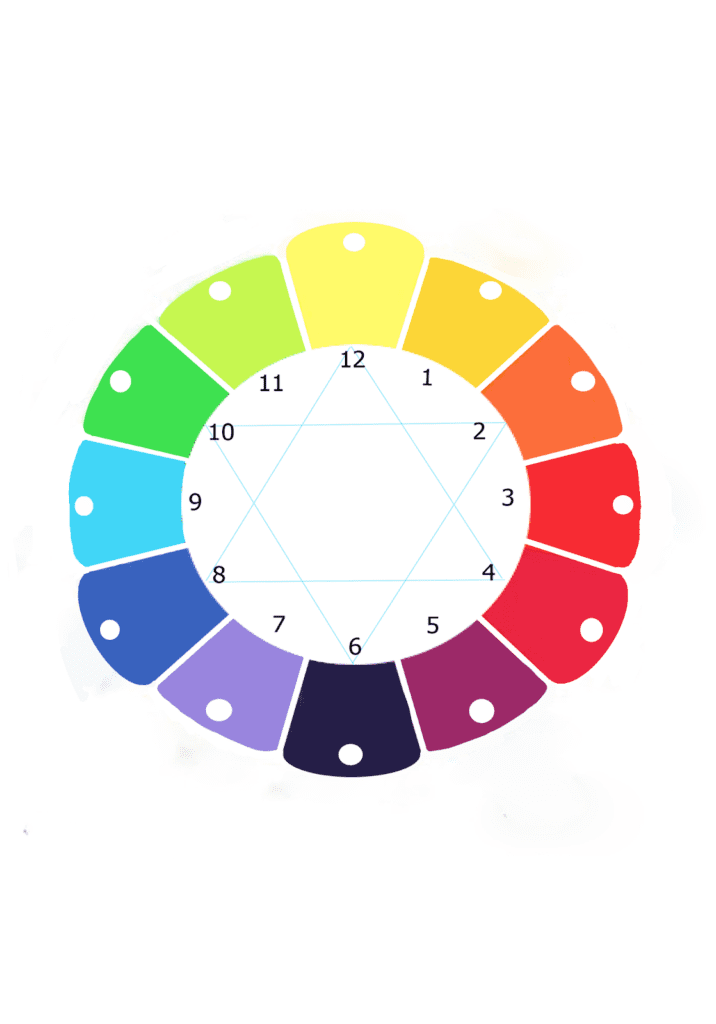
If you are asking yourself, “How can I learn to paint?”, my advice is to start with simple landscapes to practice your mixing skills. Knowing how to mix colors is the most important skill in painting.
Phase 3: The Practice Mindset
Great skill in art won’t come overnight, but it is possible for everyone. To stay motivated, you need to understand the mental side of the craft.
First, beware the “Tutorial Trap.” While following a video is fun, relying on art tutorials is not effective for actually learning to see. Instead, focus on these 10 simple tips to make you a better artist.
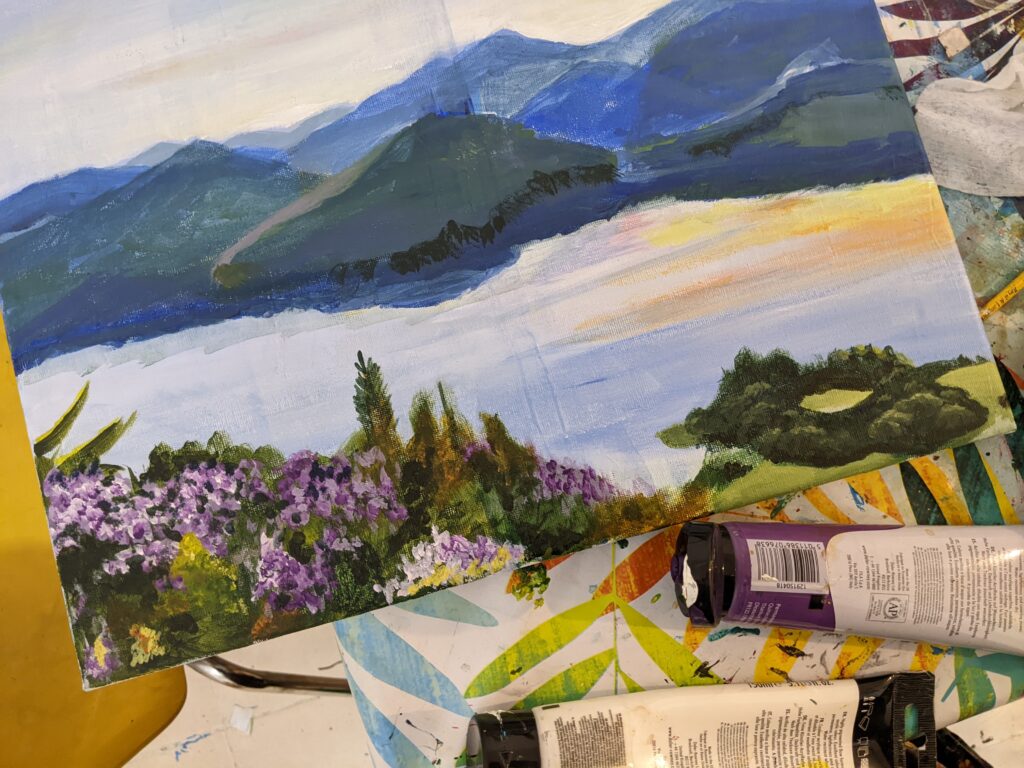
Second, don’t get discouraged! Understanding why paintings look bad halfway through is a vital part of growth. This is exactly what I wish every adult beginner knew before they started. Once you’ve learned the fundamentals of art though, it’s all about practicing and finding what mediums you enjoy using and creating with.
Take the Next Step
Everything we’ve covered here is part of the foundation we build in my Beginner’s Art Course. If you want a guided path, I invite you to join the waitlist so you can be the first to know when we open for new students.
In the meantime, start your journey today with my 30 Days of Email Tips. or join our Free five day art challenge.